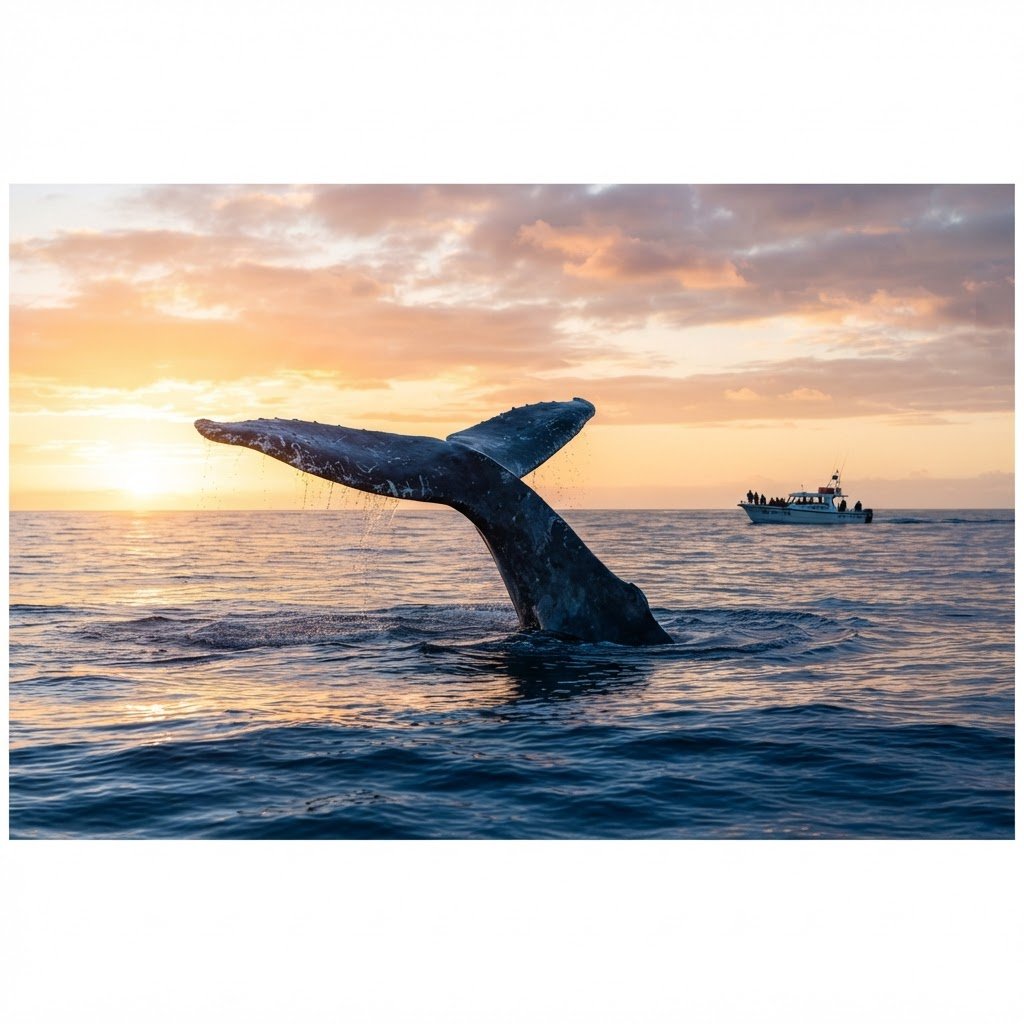
Mirissa (south coast) and Trincomalee (east coast) are the two whale watching hubs, and their seasons are near-perfect opposites. Choose wrong and you will be staring at an empty ocean. Here is the honest comparison.
In this guide
The Seasons: Opposite Coasts, Opposite Months
Mirissa: November to April. This is the south coast dry season — calm seas, clear skies, and blue whales feeding offshore. Trincomalee: May to September. When the southwest monsoon roughs up the south coast, the east coast is calm and the whales are there instead. The crossover months (April/May and September/October) can work on either coast but are less reliable. Rule of thumb: December–March → Mirissa. June–August → Trincomalee.
Blue Whale Chances and Sighting Rates
Mirissa in peak season (February–March) reports sighting rates of 90–98% — among the highest for blue whales anywhere in the world. Trincomalee's peak months are also excellent, with blue whales plus frequent sperm whale sightings. Neither coast can guarantee whales on any given day — they are wild animals — but in peak season on the right coast, your odds are as good as whale watching gets.
The Mirissa Experience
Mirissa is a lively backpacker-and-resort town 30 minutes east of Unawatuna. Boats leave early morning (around 6:30–7am) and trips last 3–5 hours. Typical cost is around USD 60–80 per person including breakfast on many boats. After the trip you are in Mirissa for the day — Coconut Tree Hill, Parrot Rock, and surf beaches are all right there. The downside: peak season boats can be numerous, so choose an operator with a good reputation for responsible distances.
The Trincomalee Experience
Trincomalee ("Trinco") is quieter and less touristy than Mirissa, with beautiful beaches like Uppuveli and Nilaveli nearby. Whale watching runs May to September, with similar morning departures and trip lengths. It pairs naturally with an east coast beach stay or a Cultural Triangle trip (Sigiriya, Dambulla) — many travelers do whales + ancient cities in one eastern loop. Fewer boats overall means a calmer experience on the water.
How to Choose: A Simple Decision Guide
Traveling November to April? Go to Mirissa — no contest. Traveling May to September? Go to Trincomalee. Traveling in the shoulder months (late April, early May, October)? Check current sea conditions and recent sighting reports before committing; your operator should be honest about this. If your itinerary is fixed to one coast, plan your whale watching around that coast's season rather than forcing it.
Responsible Whale Watching: What to Ask
Whale watching only works long-term if boats behave. Ask your operator: do they keep a responsible distance and limit time with each whale? Do they cut engines near animals? Do they chase or encircle? A good operator will answer proudly. We work with boats on the south coast that follow responsible practices — and we will tell you straight if the season or sea conditions make a trip a bad bet.